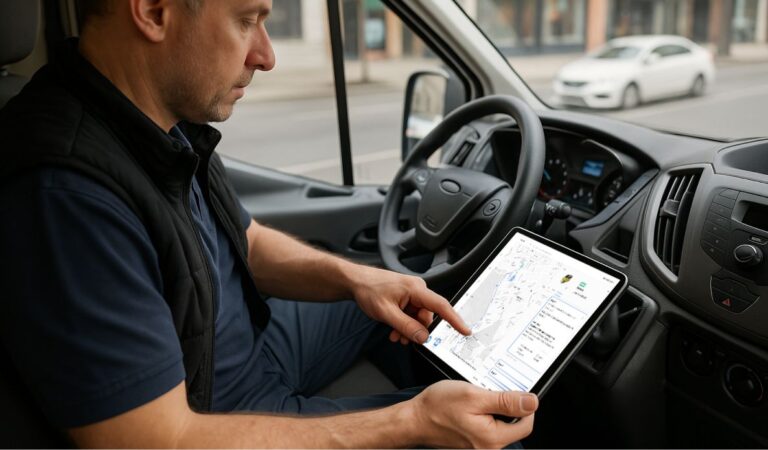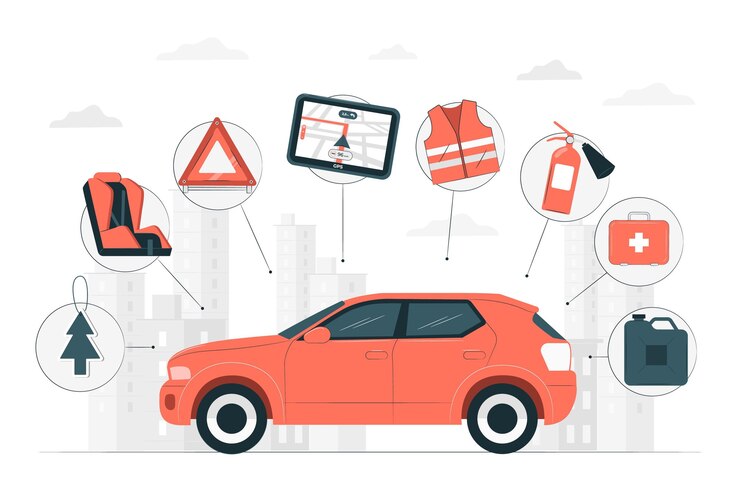
Driving several cars unorganized is as easy as attempting to drive kangaroos in a hurricane—a lot of power, no sense. That is where a vehicle management system comes in, and things will get organized and computerized, and some sanity will be injected into the whole process. It ties the knots between drivers, data, and decision-making and makes chaos run on schedule.
By its very nature, the system does what every manager is secretly wishing to do, and in that, it observes everything that does not require you to do so. It oversees the whole fleet, including the fuel levels, tire pressure, and route history, as well as maintenance alerts. A sudden dip in performance? Before it gets out of hand and costs you a fortune. Consider it as a virtual watchdog that does not go on holiday.
The magic lies in automation. Tracking and spreadsheets that seem to be endless are out, and dashboards that do make sense are in. Reports build themselves. Notices are displayed automatically. Pushing messages of service dates are received by drivers even before one opens his or her email. It is the most effortless, easy, and unexpectedly addictive with regard to the amount of time it saves to check.
And we should discuss safety—that is one of the non-negotiables. Tracking and monitoring of driver behavior in real-time translates to the absence of the guessing games. Braking hard, over accelerating, and idling can be seen, and one can be coached at an early stage before bad habits take root. Others may complain initially, but when they know it will make everybody stay out of trouble (and the boss will not be chasing after them), they are aboard in a jiffy. Car management system is not a fancy word or company nonsense. It is a handy, day-to-day savior to everybody operating cars. Minimal paperwork, minimal surprises, maximum control This is what contemporary mobility is supposed to be. Basic, hard, and, perhaps, content.