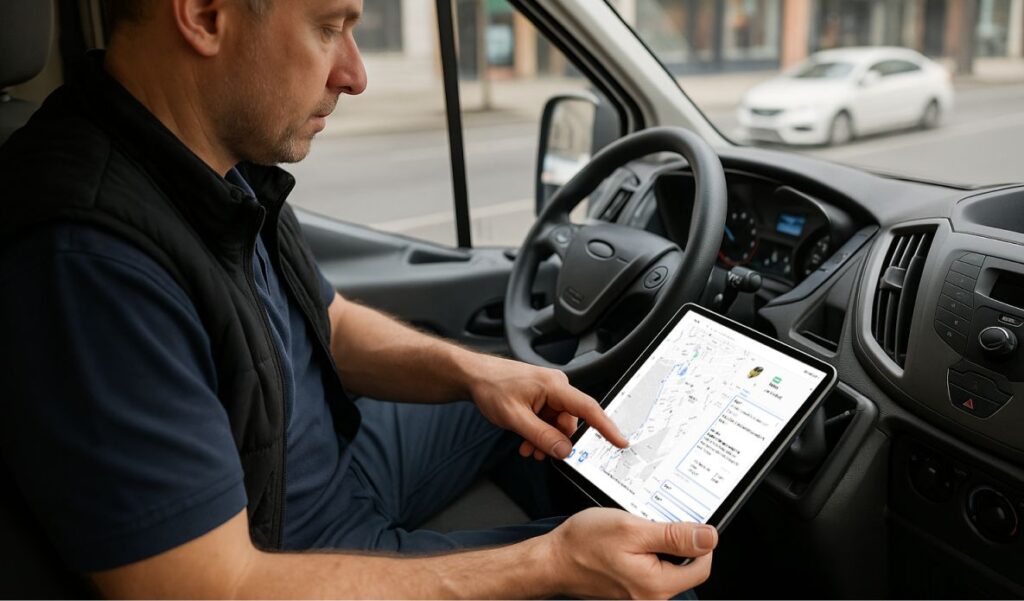
Bad routes have a smell. It’s a mix of burnt fuel, late apologies, and drivers muttering at the windshield. Most routing errors don’t come from laziness. They come from habits, outdated maps, and that one shortcut someone swears by because it worked once in 2017. This is where fleet management software earns its keep, turning routing from folklore into something closer to fact.

Accurate routes start with real movement, not assumptions. Software tracks how long trips actually take, where delays pile up, and which turns quietly drain time and fuel. Over a few weeks, patterns show up. The “fast” road crawls every morning. The longer highway route moves like clockwork. Decisions stop being emotional. They start being practical. Drivers appreciate routes that don’t feel like a daily gamble.
Traffic isn’t static, and paper plans age fast. Live data helps adjust routes as conditions change. Construction pops up. Accidents slow everything down. A reroute arrives before frustration does. That responsiveness saves minutes that stack into hours across a week. Customers notice. Drivers arrive calmer. Dispatchers spend less time firefighting and more time thinking ahead.
Accuracy also tightens delivery windows. When arrival times are based on real performance instead of optimistic guesses, promises get easier to keep. Missed slots drop. Calls asking, “Where is the driver?” fade out. There’s relief in predictability. One dispatcher joked that accurate routes gave them back their lunch breaks. Small victories matter.
Fuel savings follow naturally. Extra miles hide in bad routing like loose change in a couch. Software exposes them. Cleaner paths mean less stop-and-go, fewer wrong turns, and lower consumption. Vehicles last longer too. Engines don’t love detours. Neither do drivers staring at the clock.
Getting from point A to point B sounds simple until it isn’t. The difference between chaos and flow often comes down to knowing the road as it truly is, not as someone remembers it.